
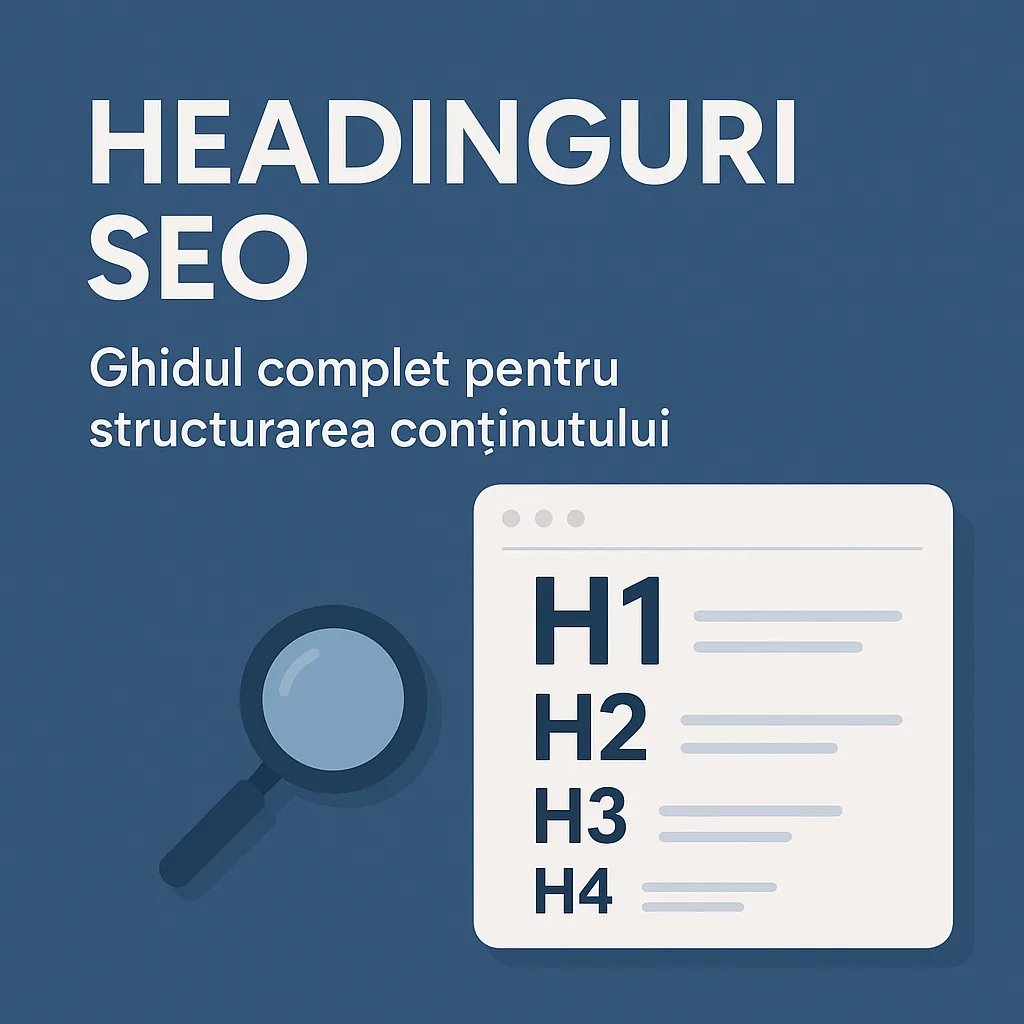
Part 1, What Are SEO Headings?
SEO headings are fundamental HTML elements that help structure the content on a webpage. Think of them as traffic signs, guiding both users and search engines through the hierarchy of information. The H1 tag serves as the main title, while H2 to H6 tags represent subsections that elaborate on the main topic. Without these headings, content resembles a jigsaw puzzle missing its picture—confusing and chaotic.
Part 2, The Importance of H1 in SEO
Your H1 should be unique and clearly describe the subject matter. Imagine it as the editorial title—the keystone of your entire structure. Google uses it to grasp the main theme of the page, even if it's not a direct ranking factor. A well-crafted H1 not only boosts SEO but also grabs the reader's attention right from the start.
Part 3, Understanding H2 Structure and Its Impact
H2 tags divide content into logical sections, providing organization that helps crawlers identify subtopics and understand the semantic structure. A well-organized piece is easier to index and interpret. For instance, if you're writing an article on "healthy cooking," an H2 might be "Benefits of a Balanced Diet." This not only clarifies the message but also enhances SEO.
Part 4, How Headings Enhance User Experience
Headings significantly contribute to user experience. Well-structured text is easier to read, reduces bounce rates, and increases time spent on the page—behavioral factors that can influence SEO. For example, an article with clearly defined headings allows readers to quickly scan for information, finding what they need without getting lost in unnecessary details.
Part 5, Natural Use of Headings
Using headings should feel organic; avoid inserting keywords forcefully. Instead, focus on creating a clear hierarchy that guides users through your content. For instance, rather than cramming in keywords, prioritize clarity of message. This strategy not only aids your SEO but also enhances the reader's experience.
Key Takeaways on Using Headings
- Ensure each page has a single, unique H1 that encapsulates the main topic.
- Utilize H2s to break down sections logically, enhancing readability.
- Employ H3s for additional details, ensuring they remain relevant.
- Avoid keyword stuffing; focus on clarity and user engagement.
- Regularly review your headings to ensure they align with your content strategy.
Frequently Asked Questions
What role do SEO headings play in page optimization?
SEO headings help structure content, facilitating indexing by search engines and improving user experience. They create a roadmap for both readers and crawlers.
How do I choose an effective H1?
An effective H1 should be descriptive, concise, and reflect the main theme of the page, thereby attracting readers' attention from the outset.
What are the best practices for using headings?
Use one H1 per page, employ H2 for subtopics, and H3 for supplementary details, ensuring each heading is relevant and informative to enhance clarity.
Can headings influence SEO ranking on Google?
While not a direct ranking factor, well-structured content with relevant headings can improve user experience, potentially leading to better rankings over time.